 Business License

Sky-high Water Bills? How Hatcheries Save Tens of Thousands Annually with Wastewater Reuse!
Turning Hatchery Wastewater into Treasure: Unlocking the Green Code for Efficient Reuse
In the modern poultry farming industry, hatcheries serve as the core hub of the supply chain, generating massive amounts of wash water rich in organic matter, high ammonia nitrogen, and suspended solids daily. For a long time, this wastewater has been viewed as a heavy environmental burden and an ongoing operational cost. However, with increasingly scarce global water resources and escalating environmental standards, "wastewater reuse" is no longer optional—it is the only path to sustainable development and cost reduction for hatcheries. Through scientifically combined treatment processes, hatchery effluent can be completely transformed into valuable production resources.
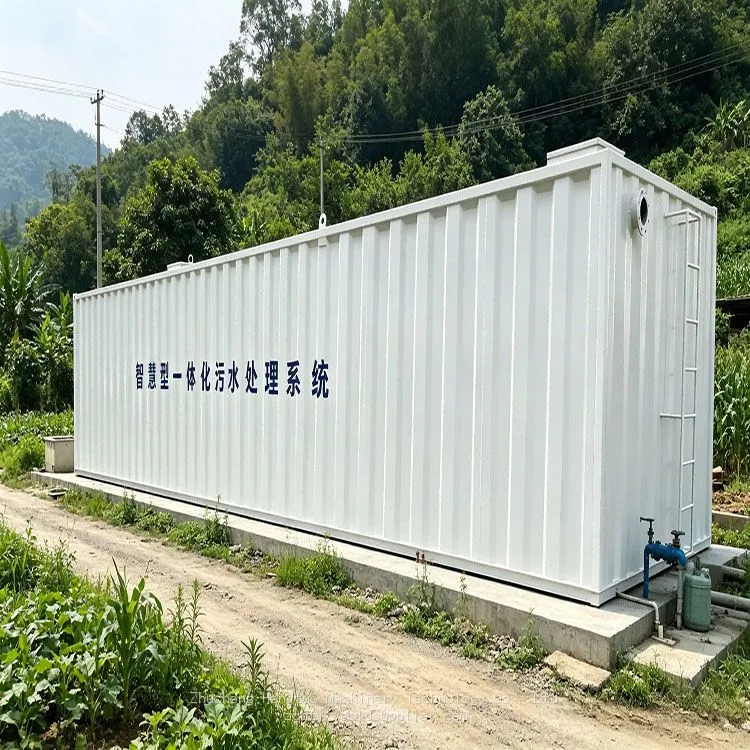
Breaking Water Quality Bottlenecks: The Technical Path from Discharge to Circulation
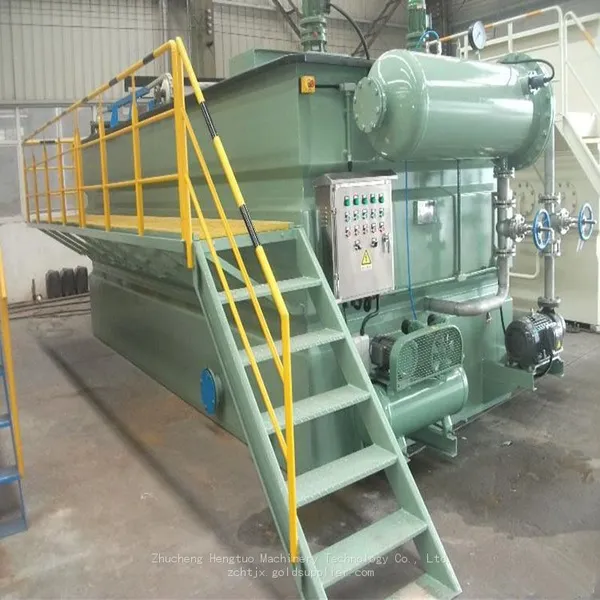
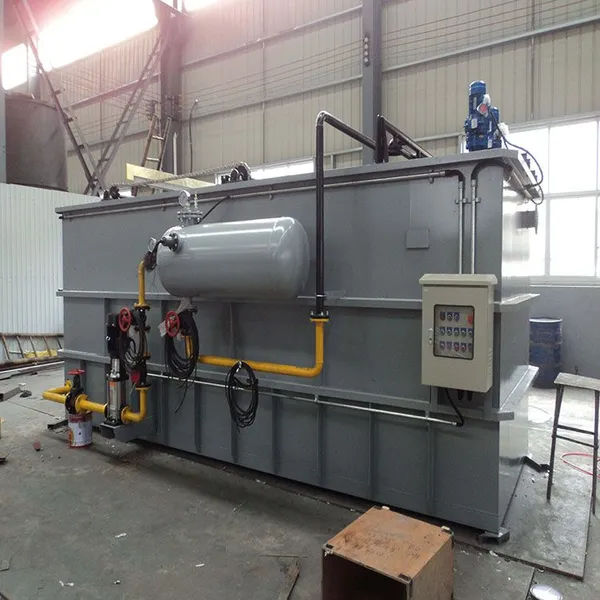
Hatchery wastewater has a complex composition; direct reuse easily leads to pipe clogging or cross-infection by pathogens. Therefore, a mature reuse system must undergo rigorous physical and biochemical treatment. In the pretreatment stage, Dissolved Air Flotation (DAF) or electrocoagulation technology can efficiently remove suspended solids like grease, eggshell fragments, and dead embryos, significantly reducing Chemical Oxygen Demand (COD). Subsequently, the effluent enters the core biochemical degradation phase. Utilizing a UASB anaerobic reactor combined with an A/O oxic process, microorganisms not only break down macromolecular organics but also simultaneously achieve nitrogen and phosphorus removal. If higher reclaimed water quality is pursued, the MBR Membrane Bioreactor is the ideal choice; its powerful interception capability ensures crystal-clear effluent, laying a solid foundation for water reuse.
Diversified Application Scenarios: Maximizing the Value of Every Drop
After advanced purification and UV or ozone disinfection, regenerated water from hatcheries holds immense reuse value. The most direct application is "on-site circulation," which involves flushing incubators, washing hatching pads, landscaping, and road dust suppression, drastically cutting tap water consumption. For large-scale agro-pastoral enterprises with supporting planting bases, compliant tailwater serves as premium liquid fertilizer. Regenerated water rich in nutrients like nitrogen and phosphorus can be used for agricultural or forest irrigation; it not only meets agricultural irrigation water quality standards but also effectively improves soil structure, truly realizing a closed-loop agricultural ecosystem. Furthermore, some highly treated clear water can even serve as supplementary industrial cooling water.
Crunching the Numbers: Transforming Environmental Investment into a Profit Center
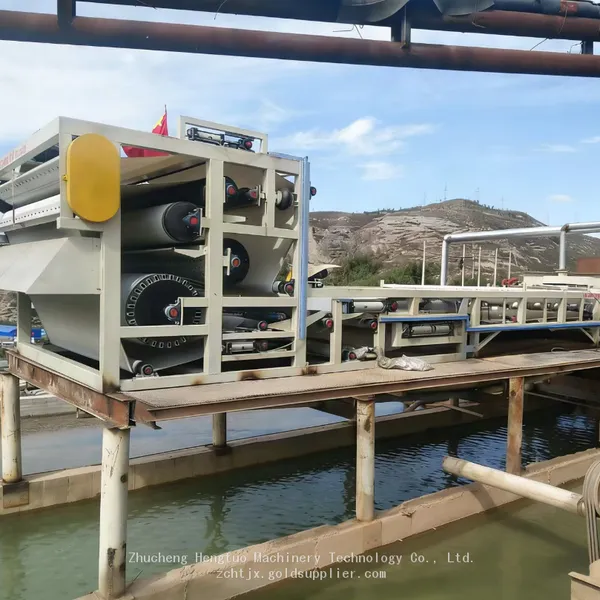
Many farm managers hesitate at the initial investment in wastewater treatment equipment, overlooking the long-term hidden returns brought by water reuse. First is significant savings on water bills; through reclaimed water reuse, a medium-sized hatchery can often recover equipment depreciation costs within a few years via saved tap water expenses. Second is dual revenue generation from energy and fertilizers. Biogas produced during anaerobic digestion can be directly used for constant-temperature heating or power generation in hatching rooms, reducing reliance on fossil fuels. Meanwhile, nutrient-rich separated sludge can be dewatered, fermented, and processed into high-quality organic fertilizer for external sale, opening new profit growth points. More importantly, a compliant zero-discharge solution completely eliminates the risk of exorbitant environmental fines, building a robust safety net for the enterprise's long-term development.
Advancing Towards Smart O&M: Creating Unattended Green Benchmarks
Modern hatchery wastewater reuse systems are evolving towards high automation. By integrating smart PLC control cabinets with online water quality monitoring instruments, the system can automatically adjust chemical dosing, aeration frequency, and sludge discharge cycles based on influent loads. This not only significantly lowers the threshold for manual inspections and operations but also ensures continuous stability in effluent quality. For poultry enterprises, introducing such a modern water treatment setup that integrates "pollution control, water conservation, and profit generation" is not only a manifestation of social responsibility but also a crucial step to enhance core competitiveness and build a green ecological agriculture brand.
Recently Posted
-
How to Choose an Integrated Wastewater Treatment System in 2026? 4 Critical Metrics from Senior Engi
June 10, 2026With increasingly stringent environmental regulations and the global push towards sustainable infrastructure, the demand for domes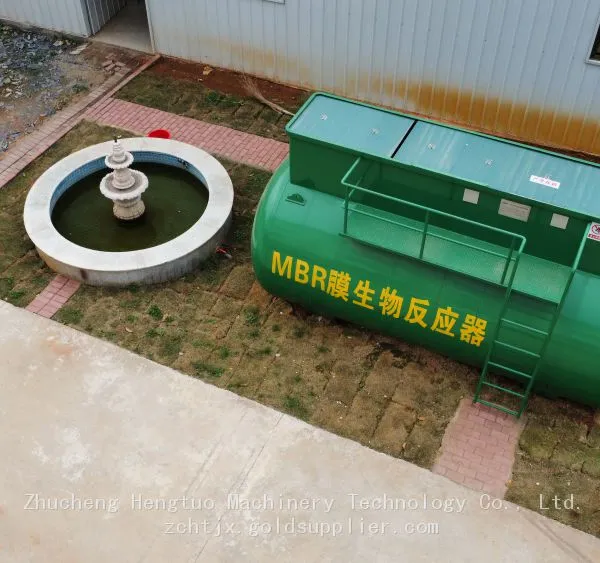 Read More
 -
Common Questions and Answers on Sludge Dewatering Equipment
June 5, 2026Q1: What is the promised moisture content of the sludge cake? What if it's not achieved?A: Depending on the model and sludge p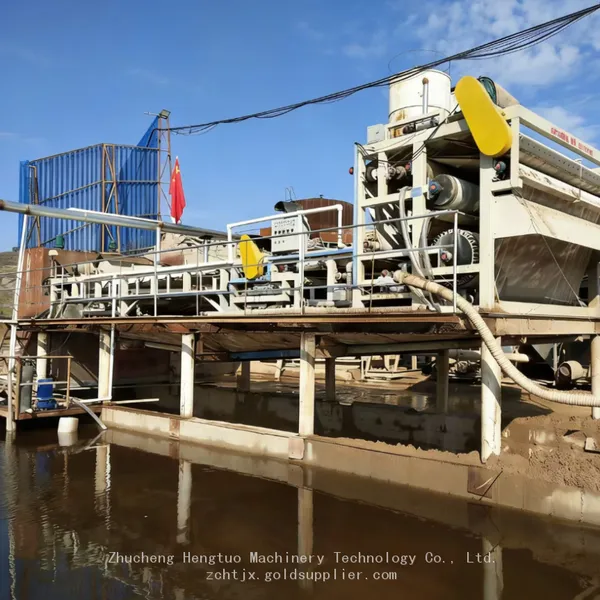 Read More
 -
How to Scientifically Select Wastewater Treatment Equipment?
June 4, 2026Facing a wide array of equipment on the market, decision-makers should establish a systematic evaluation framework to avoid the tr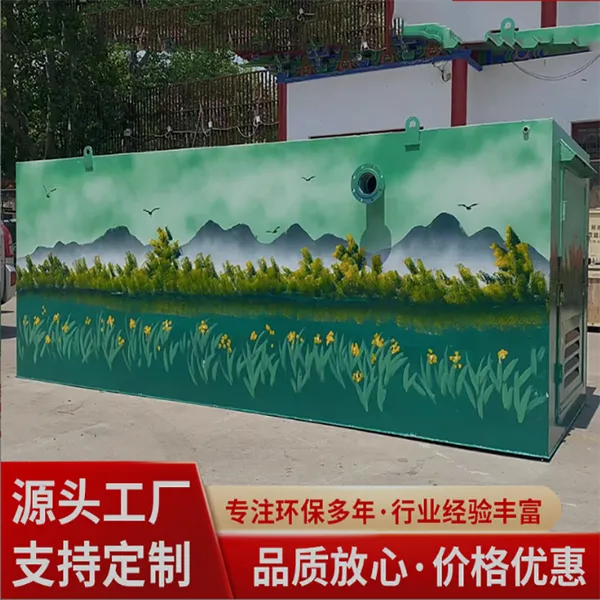 Read More
 -
Common problem answers for integrated sewage treatment equipment
June 2, 2026📦 Integrated Sewage Treatment Equipment Q&A Q1: What standard can your equipment's effluent reach? Can you guarantee Read More

Contact Us
Recommended Products
-
 Consistently Meets Class 1A Standards! AO+MBR Integrated Equipment Delivers >90% Ammonia Nitrogen Removal.NegotiableMOQ: 1 Combo
 -
Direct From Weifang Manufacturer: Full Range of Package WWTPs With Customization Support—Factory Price, No Middlemen!NegotiableMOQ: 1 Combo
-
Say Goodbye to Foul Odors and Clogs! Customized Integrated Hatchery Wastewater Treatment Saves You Time and Money.NegotiableMOQ: 1 Combo
-
Fined for Exceeding Ammonia Limits at Your Hatchery? This A/O + MBR Combo Easily Gets You EPA/environmental CompliantUS$ 4080 - 5800MOQ: 1 Combo
-
High-Efficiency Continuous Operation! Belt Vacuum Filter Boosts Production Efficiency by Over 50%NegotiableMOQ: 1 Combo
-
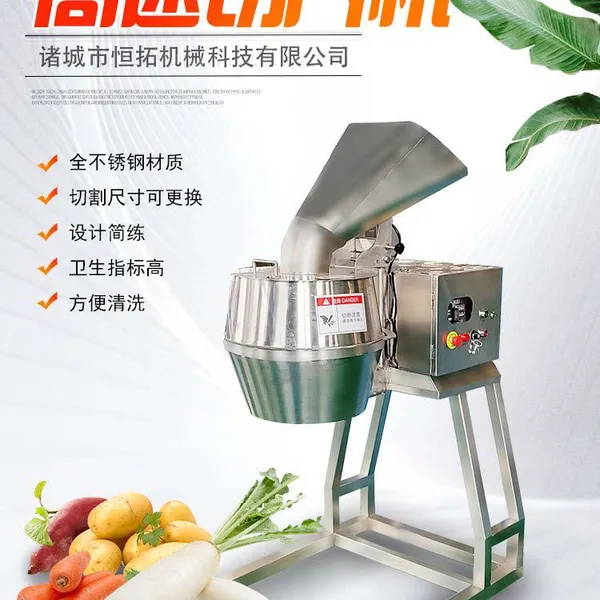
Unveiling the Secret to Central Kitchen Efficiency: How Does the Cyclone Vortex Slicer Deliver Both Speed and Quality?US$ 3980 - 4980MOQ: 1 Combo
-
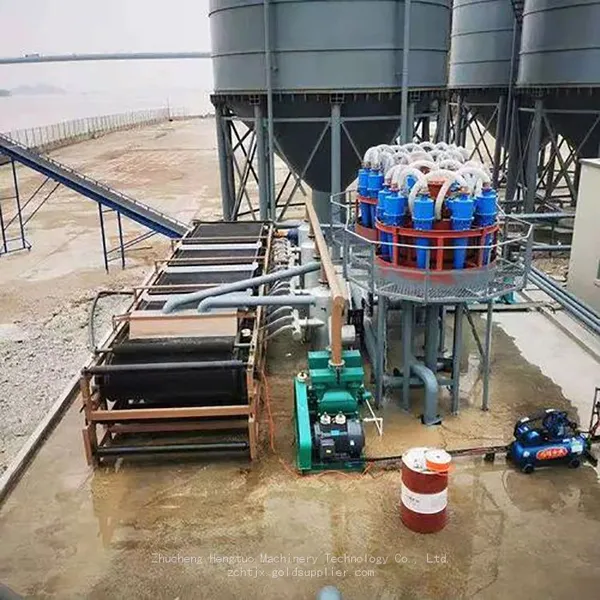
Specialist in High-Turbidity Sand Washing/Electroplating Wastewater! Over 90% SS Removal Rate for Crystal-clear, Compliant Effluent.NegotiableMOQ: 1 Combo
-
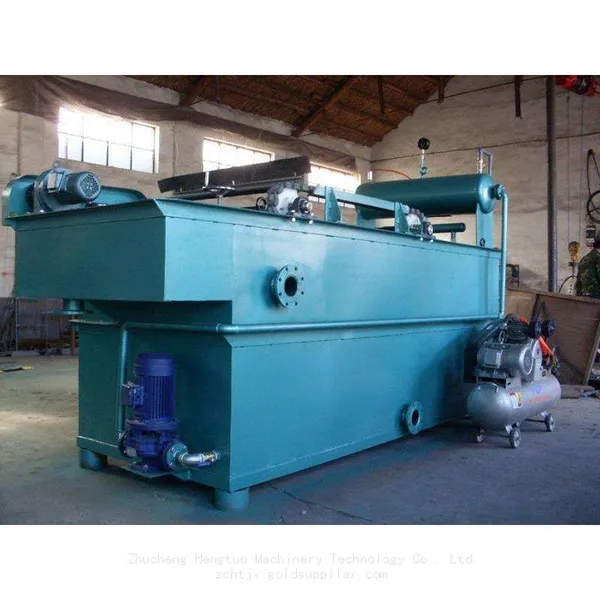
Food Factory Oily Wastewater Killer! Efficient Dissolved Air Flotation Machine, SS and Oil Removal Rate of 98%, Clear EffluentUS$ 3004 - 4048MOQ: 1 Combo
-
2026 New Smart Integrated Wastewater Treatment Equipment! AI Fully Automated Operation, Subsurface MBR Solution for Villages and Scenic AreasUS$ 2850 - 3850MOQ: 1 Combo
-
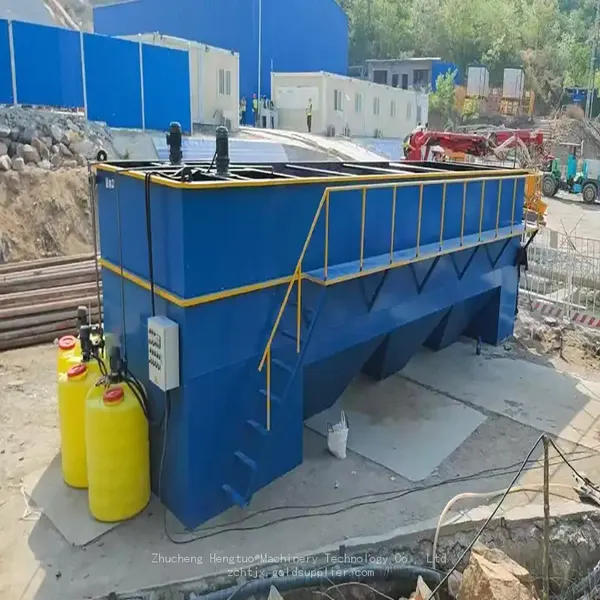
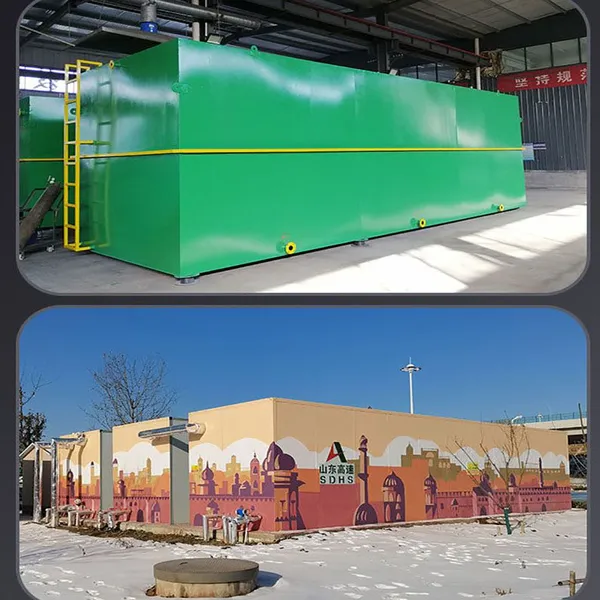
Trouble With Slaughterhouse Wastewater? Our Anti-corrosion Carbon Steel Integrated Equipment Ensures Stable Class A Effluent!US$ 2850 - 3900MOQ: 1 Combo
-
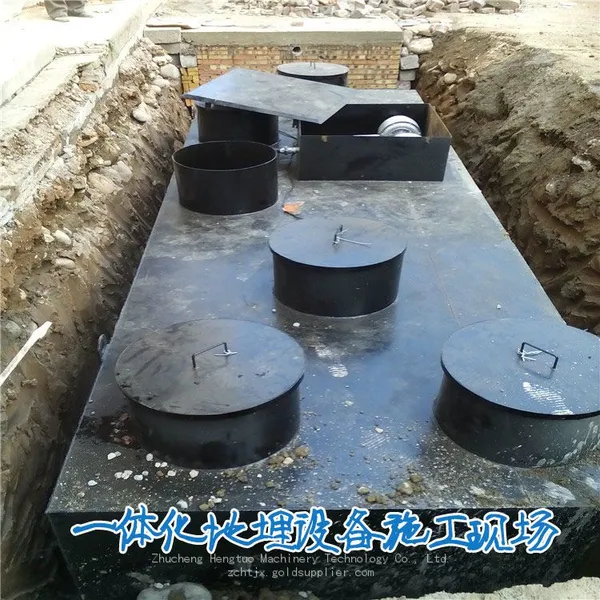
Dedicated to Rural Sewage Treatment: Underground MBR Integrated System, Fully Automatic and Maintenance-free.US$ 2850 - 3900MOQ: 1 Combo
-
Prefabricated Integrated Sewage Treatment Equipment Skid-mounted With PLC Control SystemUS$ 5500 - 6500MOQ: 1 Combo
-
High COD (30,000 Mg/L) in Soybean Whey? Customized Anaerobic + Aerobic Process Reduces Operating Costs by 15%US$ 2004 - 3048MOQ: 1 Combo
-
Capable of Treating 50 Tons/day of Meat Processing Wastewater, With a Grease Removal Rate of ≥95%, Ensuring Effluent Meets Tier 1 Discharge StandardsUS$ 2010 - 3500MOQ: 1 Combo
-
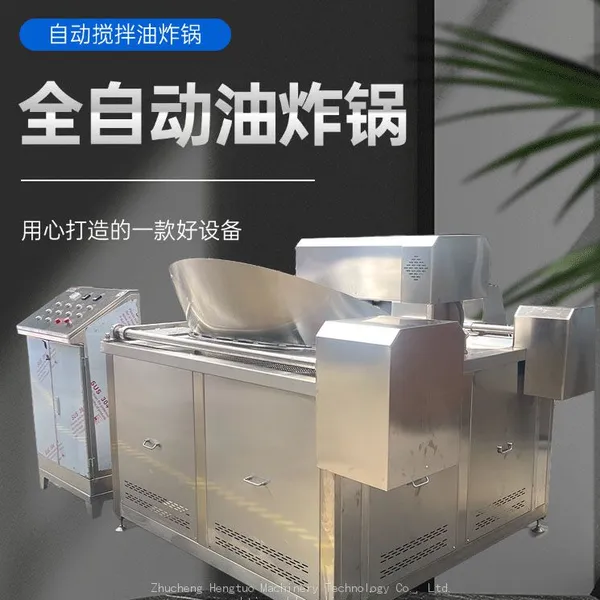
Commercial Ventless Automatic Potato Chip Fryer With Built-in Purification System - No Hood Required for RestaurantsNegotiableMOQ: 1 Piece
-
Fully Automatic Continuous Potato Chip Frying Production Line With Oil Filtration System for Industrial Snack Food ProcessingNegotiableMOQ: 1 Piece
-
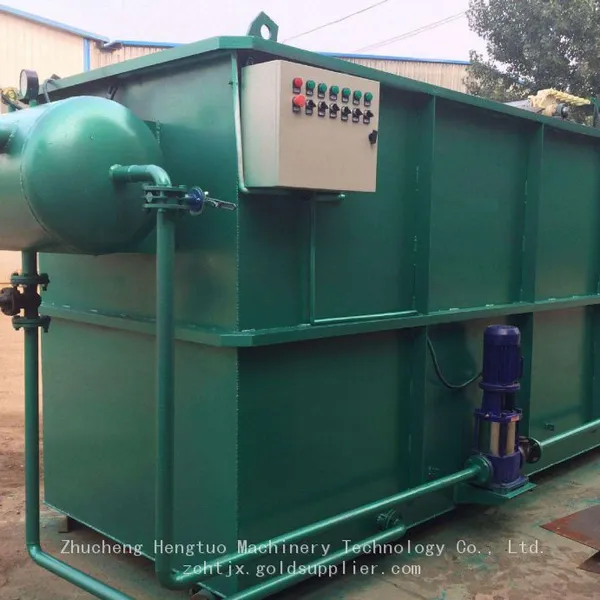
Automatic Dissolved Air Flotation Machine Stainless Steel Low Energy Consumption for Municipal SewageUS$ 2010 - 3500MOQ: 1 Combo
-
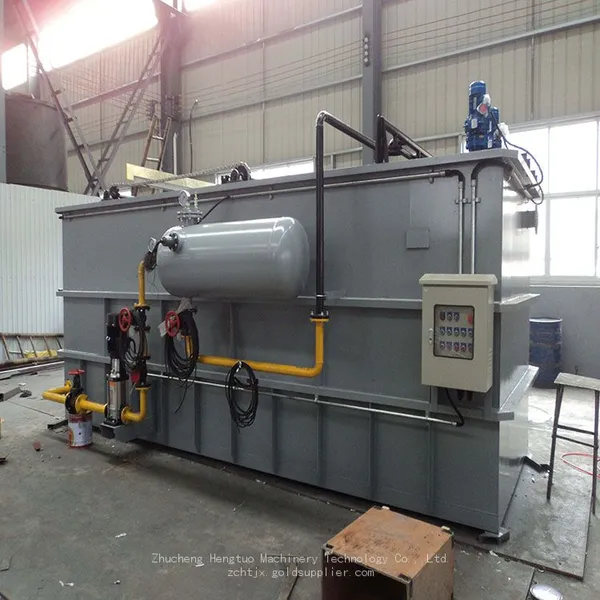
Factory Direct Price DAF Equipment for Industrial Water Recycling and Cost Saving.US$ 2026 - 3500MOQ: 1 Combo
-
Turn Waste Into Resources! Complete Sludge Treatment Line Ready for Incineration or Composting.US$ 3024 - 4020MOQ: 1 Combo
-
Turnkey Halal Slaughterhouse Wastewater Treatment Plant With DAF & Biological System for Meat ProcessingUS$ 2004 - 3048MOQ: 1 Combo