 Business License

How to Choose an Integrated Wastewater Treatment System in 2026? 4 Critical Metrics from Senior Engi
With increasingly stringent environmental regulations and the global push towards sustainable infrastructure, the demand for domestic wastewater treatment equipment has reached unprecedented levels. However, facing thousands of so-called "integrated" or "package" systems on the market, many buyers focus solely on initial pricing and aesthetics, only to fall into the trap of "cheap to buy, expensive to run," or worse, failing to meet discharge standards. As industry veterans, we have distilled the 4 core dimensions you must evaluate when selecting a reliable package WWTP.
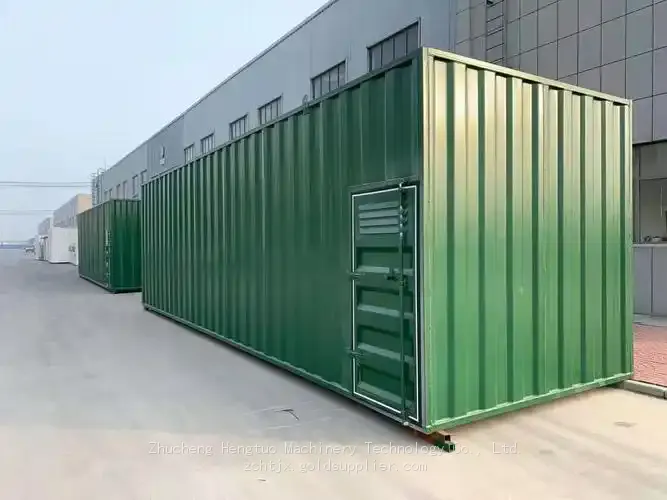
Core Process Adaptability: Reject the "One-Size-Fits-All" Approach
Domestic sewage is highly variable. In rural or decentralized scenarios, water volume fluctuates drastically—peaking during morning and evening hours while dropping significantly midday. If equipment is designed strictly for constant flow, it will easily lead to overflow during peak times and severe energy waste during off-peak periods. Therefore, shock load tolerance is paramount. While the AO/MBR combination process is currently mainstream, specific parameters matter. The hydraulic retention time (HRT) in the anoxic zone should be ≥3.2 hours to ensure efficient denitrification. Furthermore, dissolved oxygen (DO) in the aerobic zone requires precise control (±0.2mg/L), ideally supported by intelligent aeration systems that adjust automatically based on real-time organic loads.
2. Extreme Condition Resilience: Localization is Key
Geographical and climatic conditions impose strict tests on equipment longevity and efficiency. In cold regions, winter water temperatures frequently drop below 10°C, causing biochemical reaction rates to plummet by over 40%. Top-tier manufacturers customize insulation or heating modules based on historical extreme low-temperature data, ensuring the biochemical pool stays above 12°C. This guarantees that COD removal rates remain above 75% even when ambient temperatures hit 5°C. Conversely, in humid southern regions or coastal areas with corrosive environments, high-strength FRP (Fiberglass Reinforced Plastic) or multi-layer anti-corrosion treated carbon steel should be prioritized to guarantee a lifespan exceeding 15 years.
3. O&M Costs & Smart Integration: Calculate the Total Life-Cycle Cost
Wastewater treatment is a long-term commitment; the initial purchase price is merely the tip of the iceberg. The true battle lies in ongoing electricity and labor costs. Highly efficient integrated systems utilize smart aeration controls linked to water quality sensors, dynamically adjusting the air-to-water ratio. This can reduce power consumption to an impressive 0.25–0.35 kWh/m³. Additionally, addressing the global shortage of skilled operators, modern equipment must feature remote monitoring and predictive maintenance capabilities. Integration with cloud-based smart water management platforms ensures true "unmanned operation," drastically lowering management barriers and operational expenses.
4. Manufacturing Capability & After-Sales Support: Trust the Source Factory
Equipment stability directly correlates with manufacturing craftsmanship. When evaluating suppliers, look beyond basic certifications. Scrutinize their production scale, annual capacity, and the brand configuration of core components like blowers and membrane modules. Partnering with a large-scale source factory not only eliminates middleman markups but also secures comprehensive support—from site surveys and custom design to installation and lifelong technical assistance. This prevents the common nightmare of "after-sales abandonment" once the warranty expires.
Conclusion:
Choosing a domestic wastewater treatment system is essentially investing in a long-term environmental asset. We hope this selection guide helps you cut through the marketing noise and avoid the pitfalls of substandard products. If you are currently planning a project and need expert advice, feel free to contact us for a free, customized technical proposal.
Recently Posted
-
Sky-high Water Bills? How Hatcheries Save Tens of Thousands Annually with Wastewater Reuse!
June 9, 2026Turning Hatchery Wastewater into Treasure: Unlocking the Green Code for Efficient ReuseIn the modern poultry farming industry, hat Read More
 -
Common Questions and Answers on Sludge Dewatering Equipment
June 5, 2026Q1: What is the promised moisture content of the sludge cake? What if it's not achieved?A: Depending on the model and sludge p Read More
 -
How to Scientifically Select Wastewater Treatment Equipment?
June 4, 2026Facing a wide array of equipment on the market, decision-makers should establish a systematic evaluation framework to avoid the tr Read More
 -
Common problem answers for integrated sewage treatment equipment
June 2, 2026📦 Integrated Sewage Treatment Equipment Q&A Q1: What standard can your equipment's effluent reach? Can you guarantee Read More

Contact Us
Recommended Products
-
 Consistently Meets Class 1A Standards! AO+MBR Integrated Equipment Delivers >90% Ammonia Nitrogen Removal.NegotiableMOQ: 1 Combo
 -
Direct From Weifang Manufacturer: Full Range of Package WWTPs With Customization Support—Factory Price, No Middlemen!NegotiableMOQ: 1 Combo
-
Say Goodbye to Foul Odors and Clogs! Customized Integrated Hatchery Wastewater Treatment Saves You Time and Money.NegotiableMOQ: 1 Combo
-
Fined for Exceeding Ammonia Limits at Your Hatchery? This A/O + MBR Combo Easily Gets You EPA/environmental CompliantUS$ 4080 - 5800MOQ: 1 Combo
-
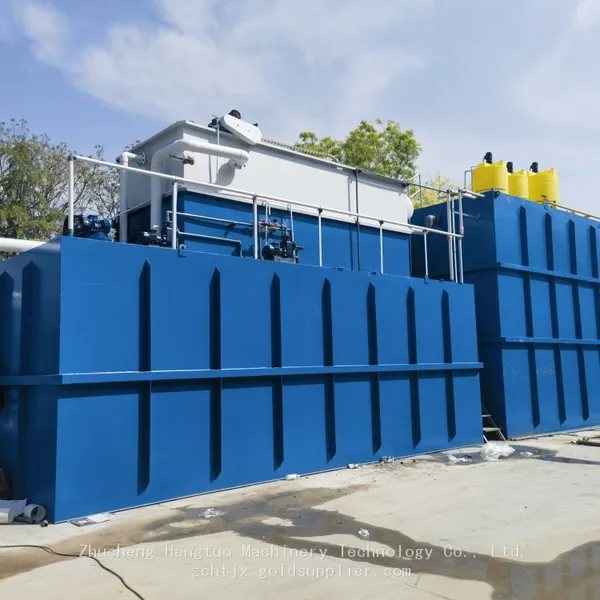
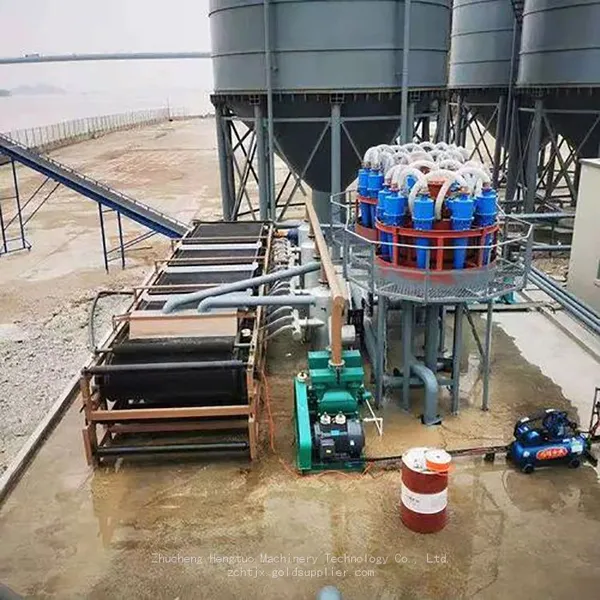
High-Efficiency Continuous Operation! Belt Vacuum Filter Boosts Production Efficiency by Over 50%NegotiableMOQ: 1 Combo
-
Unveiling the Secret to Central Kitchen Efficiency: How Does the Cyclone Vortex Slicer Deliver Both Speed and Quality?US$ 3980 - 4980MOQ: 1 Combo
-
Specialist in High-Turbidity Sand Washing/Electroplating Wastewater! Over 90% SS Removal Rate for Crystal-clear, Compliant Effluent.NegotiableMOQ: 1 Combo
-
Food Factory Oily Wastewater Killer! Efficient Dissolved Air Flotation Machine, SS and Oil Removal Rate of 98%, Clear EffluentUS$ 3004 - 4048MOQ: 1 Combo
-
2026 New Smart Integrated Wastewater Treatment Equipment! AI Fully Automated Operation, Subsurface MBR Solution for Villages and Scenic AreasUS$ 2850 - 3850MOQ: 1 Combo
-
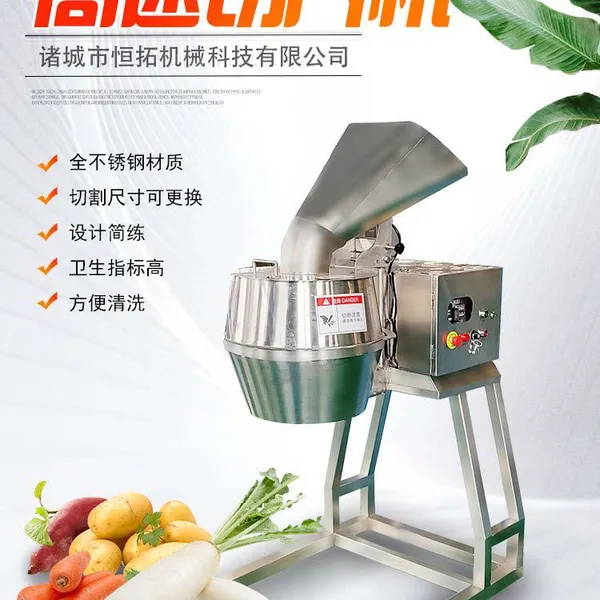
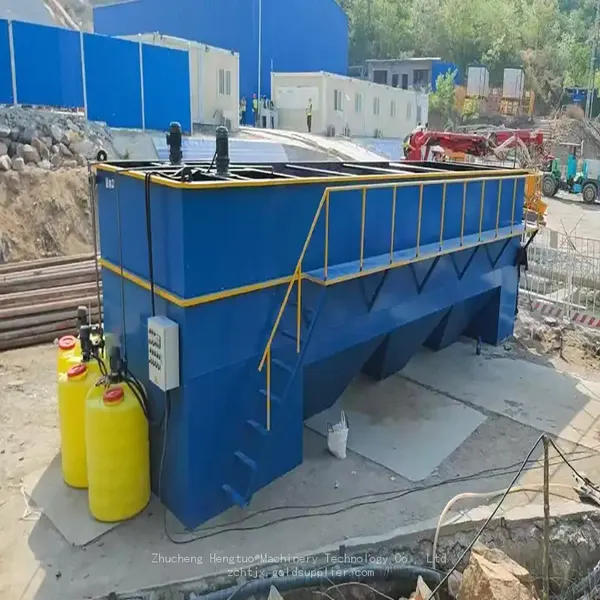
Trouble With Slaughterhouse Wastewater? Our Anti-corrosion Carbon Steel Integrated Equipment Ensures Stable Class A Effluent!US$ 2850 - 3900MOQ: 1 Combo
-
Dedicated to Rural Sewage Treatment: Underground MBR Integrated System, Fully Automatic and Maintenance-free.US$ 2850 - 3900MOQ: 1 Combo
-
Prefabricated Integrated Sewage Treatment Equipment Skid-mounted With PLC Control SystemUS$ 5500 - 6500MOQ: 1 Combo
-
High COD (30,000 Mg/L) in Soybean Whey? Customized Anaerobic + Aerobic Process Reduces Operating Costs by 15%US$ 2004 - 3048MOQ: 1 Combo
-
Capable of Treating 50 Tons/day of Meat Processing Wastewater, With a Grease Removal Rate of ≥95%, Ensuring Effluent Meets Tier 1 Discharge StandardsUS$ 2010 - 3500MOQ: 1 Combo
-
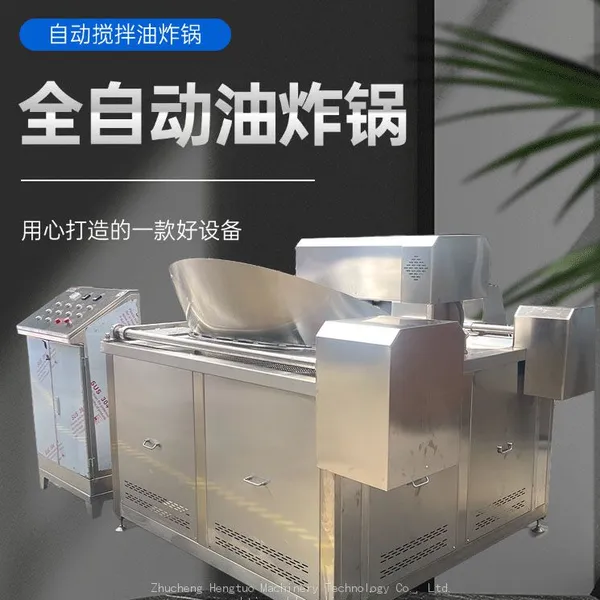
Commercial Ventless Automatic Potato Chip Fryer With Built-in Purification System - No Hood Required for RestaurantsNegotiableMOQ: 1 Piece
-
Fully Automatic Continuous Potato Chip Frying Production Line With Oil Filtration System for Industrial Snack Food ProcessingNegotiableMOQ: 1 Piece
-
Automatic Dissolved Air Flotation Machine Stainless Steel Low Energy Consumption for Municipal SewageUS$ 2010 - 3500MOQ: 1 Combo
-
Factory Direct Price DAF Equipment for Industrial Water Recycling and Cost Saving.US$ 2026 - 3500MOQ: 1 Combo
-
Turn Waste Into Resources! Complete Sludge Treatment Line Ready for Incineration or Composting.US$ 3024 - 4020MOQ: 1 Combo
-
Turnkey Halal Slaughterhouse Wastewater Treatment Plant With DAF & Biological System for Meat ProcessingUS$ 2004 - 3048MOQ: 1 Combo