 Business License

The Ultimate Guide to Dissolved Air Flotation (DAF): Boosting Efficiency in Industrial Wastewater Tr
The Ultimate Guide to Dissolved Air Flotation (DAF): Boosting Efficiency in Industrial Wastewater Treatment
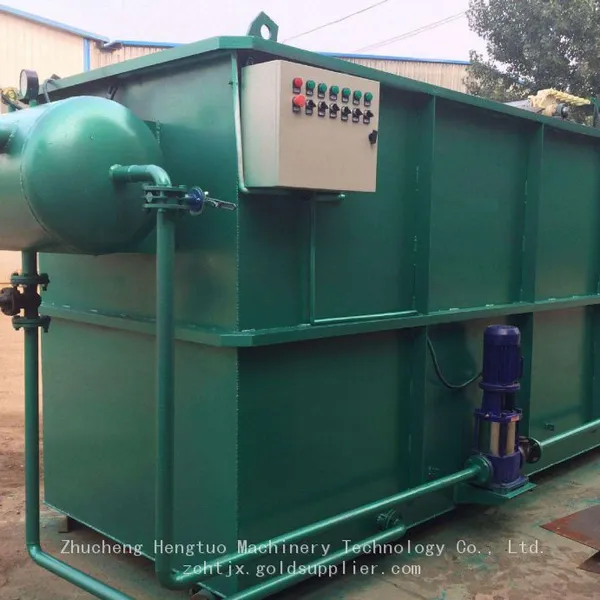
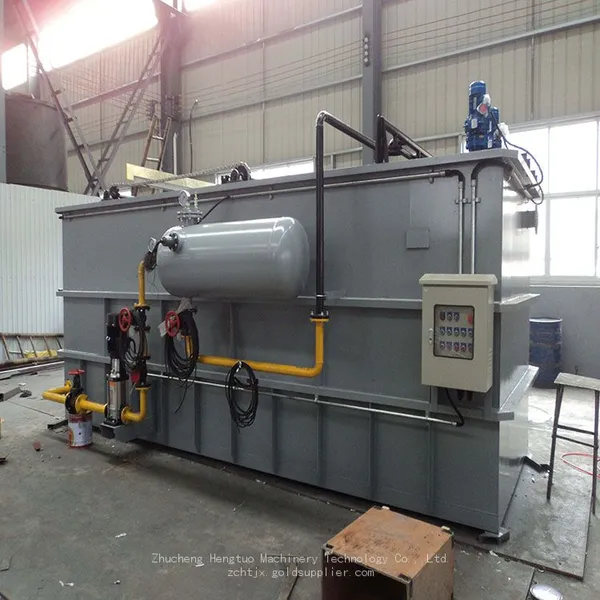
In the modern landscape of industrial wastewater treatment, efficiency and compliance are non-negotiable. For facility managers and environmental engineers, finding a reliable solution to remove suspended solids, oils, and greases is a top priority. Enter the Dissolved Air Flotation (DAF) system—a proven technology that has become the backbone of effective pretreatment and water recycling processes across various industries.
If you are looking to optimize your effluent quality while keeping operational costs low, understanding how a high-performance DAF unit works is essential.
What Exactly is a Dissolved Air Flotation (DAF) System?
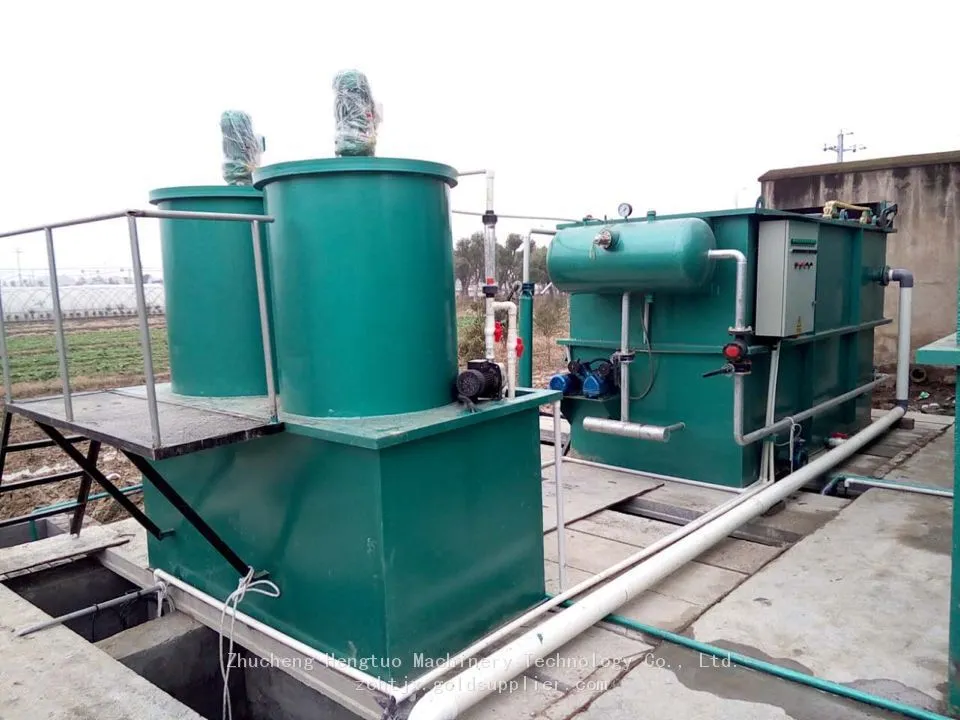
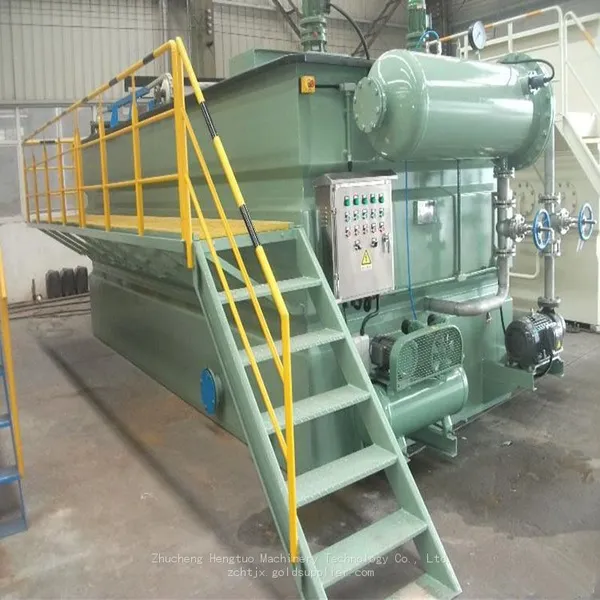
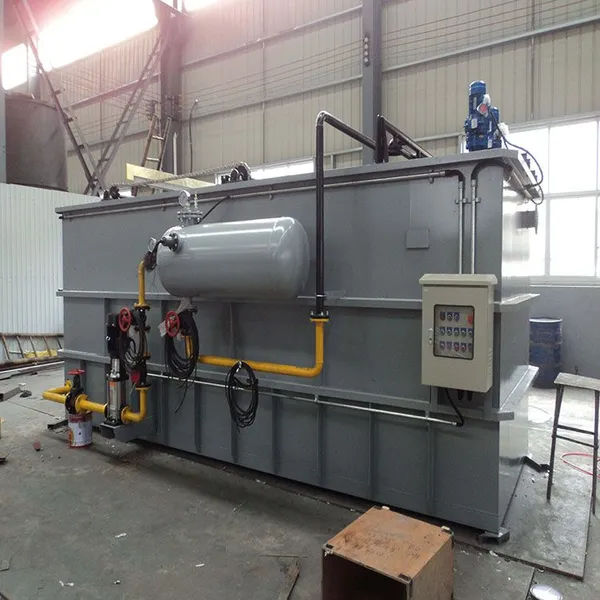
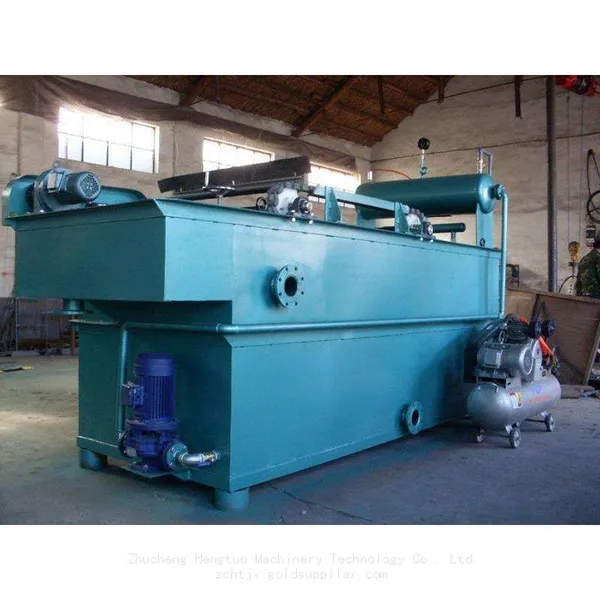
At its core, a DAF system is a physical-chemical treatment process designed to clarify wastewater. It achieves this by removing contaminants such as suspended solids, total suspended solids (TSS), fats, oils, and grease (FOG).
The magic lies in the micro-bubble technology. The system dissolves air into the return flow under pressure. When this pressurized water is released into the flotation tank at atmospheric pressure, it forms millions of microscopic bubbles. These bubbles attach to the suspended particles, causing them to float to the surface where they are mechanically skimmed off, leaving clarified water below.
Why Choose a Modern DAF System for Your Plant?
Traditional wastewater treatment methods can often be bulky, energy-intensive, or inconsistent. Upgrading to a modern, automated DAF unit offers several distinct advantages:
1、Superior Separation Efficiency: Advanced DAF systems can achieve removal rates of up to 99% for oils and greases, significantly reducing the load on downstream biological treatments./
2、Compact & Space-Saving Design: Unlike large sedimentation tanks, modern DAFs—especially skid-mounted or containerized units—have a small footprint. This makes them perfect for plants with limited space or for retrofitting existing facilities.
Lower Operational Costs (OPEX): With energy-efficient micro-bubble generators and automated sludge scraping systems, these units reduce both power consumption and the need for manual labor.
3、Versatility Across Industries: Whether you are in food processing, petrochemicals, textile manufacturing, or slaughterhouse operations, a customizable DAF solution can handle high hydraulic loading rates and fluctuating water quality.
Key Features to Look for in a High-Quality DAF Unit/
Not all flotation systems are created equal. When sourcing equipment for your facility, keep an eye out for these critical features that define quality and durability:
1、Intelligent Automation: Look for systems equipped with PLC control panels. Automated dosing and sludge discharge not only ensure consistent performance but also minimize human error./
2、Easy Installation & Maintenance: Opt for integrated or modular designs. A well-engineered DAF unit should be easy to install (often "plug-and-play") and allow for straightforward maintenance access to pumps and scrapers.
Real-World Applications: Where DAF Shines
The versatility of dissolved air flotation makes it indispensable in several sectors:
Food & Beverage: Effectively removes FOG and organic solids, preventing blockages in municipal sewer systems.
Textile & Dyeing: Acts as a crucial step for color removal and fiber recovery before biological treatment.
Oil & Gas: Provides primary oil-water separation, ensuring that discharged water meets strict environmental regulations.
Conclusion: Investing in Sustainable Water Management
Implementing a high-efficiency DAF system is more than just a regulatory requirement; it is a strategic investment in your plant's sustainability and operational budget. By reducing pollutant loads effectively, you not only ensure compliance with environmental standards but also pave the way for potential water reuse.
Are you ready to upgrade your wastewater treatment process? Contact our engineering team today to discuss a customized DAF solution tailored to your specific water quality and flow rate requirements. Let us help you achieve clearer water and a greener future.
Recently Posted
-
How to Choose an Integrated Wastewater Treatment System in 2026? 4 Critical Metrics from Senior Engi
June 10, 2026With increasingly stringent environmental regulations and the global push towards sustainable infrastructure, the demand for domes Read More
 -
Sky-high Water Bills? How Hatcheries Save Tens of Thousands Annually with Wastewater Reuse!
June 9, 2026Turning Hatchery Wastewater into Treasure: Unlocking the Green Code for Efficient ReuseIn the modern poultry farming industry, hat Read More
 -
Common Questions and Answers on Sludge Dewatering Equipment
June 5, 2026Q1: What is the promised moisture content of the sludge cake? What if it's not achieved?A: Depending on the model and sludge p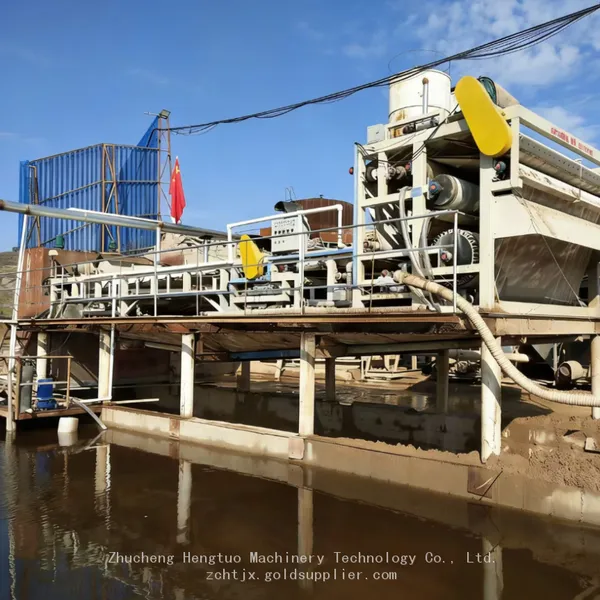 Read More
 -
How to Scientifically Select Wastewater Treatment Equipment?
June 4, 2026Facing a wide array of equipment on the market, decision-makers should establish a systematic evaluation framework to avoid the tr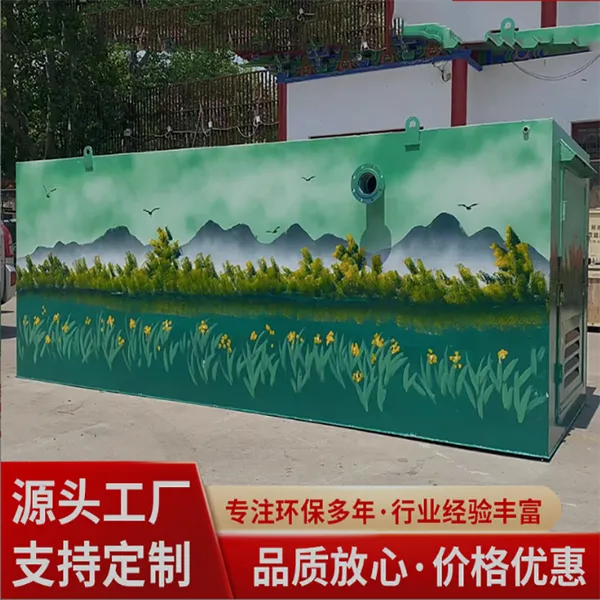 Read More

Contact Us
Recommended Products
-
 Consistently Meets Class 1A Standards! AO+MBR Integrated Equipment Delivers >90% Ammonia Nitrogen Removal.NegotiableMOQ: 1 Combo
 -
Direct From Weifang Manufacturer: Full Range of Package WWTPs With Customization Support—Factory Price, No Middlemen!NegotiableMOQ: 1 Combo
-
Say Goodbye to Foul Odors and Clogs! Customized Integrated Hatchery Wastewater Treatment Saves You Time and Money.NegotiableMOQ: 1 Combo
-
Fined for Exceeding Ammonia Limits at Your Hatchery? This A/O + MBR Combo Easily Gets You EPA/environmental CompliantUS$ 4080 - 5800MOQ: 1 Combo
-
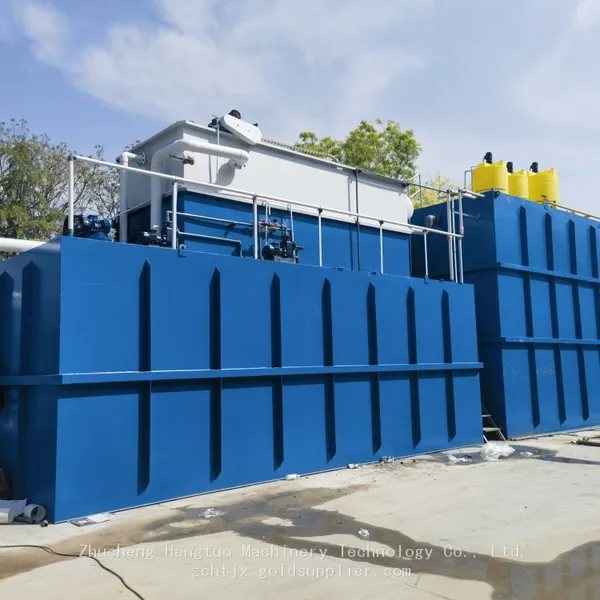
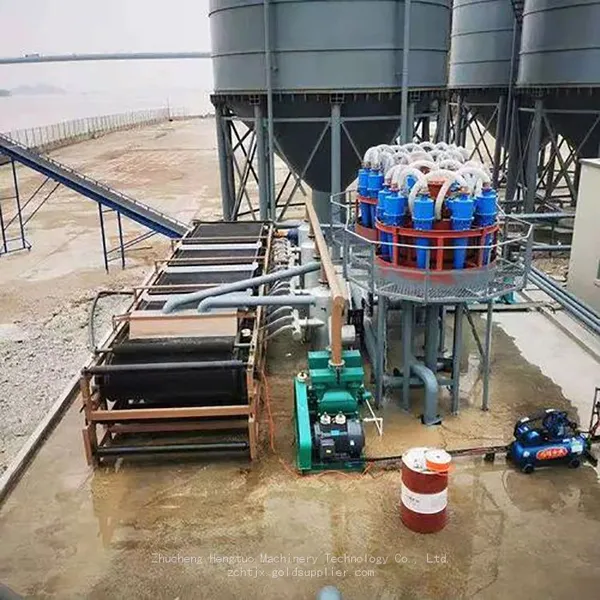
High-Efficiency Continuous Operation! Belt Vacuum Filter Boosts Production Efficiency by Over 50%NegotiableMOQ: 1 Combo
-
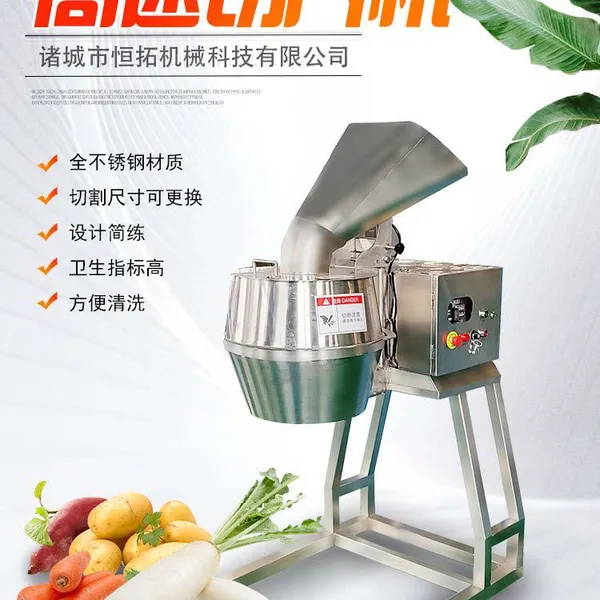
Unveiling the Secret to Central Kitchen Efficiency: How Does the Cyclone Vortex Slicer Deliver Both Speed and Quality?US$ 3980 - 4980MOQ: 1 Combo
-
Specialist in High-Turbidity Sand Washing/Electroplating Wastewater! Over 90% SS Removal Rate for Crystal-clear, Compliant Effluent.NegotiableMOQ: 1 Combo
-
Food Factory Oily Wastewater Killer! Efficient Dissolved Air Flotation Machine, SS and Oil Removal Rate of 98%, Clear EffluentUS$ 3004 - 4048MOQ: 1 Combo
-
2026 New Smart Integrated Wastewater Treatment Equipment! AI Fully Automated Operation, Subsurface MBR Solution for Villages and Scenic AreasUS$ 2850 - 3850MOQ: 1 Combo
-
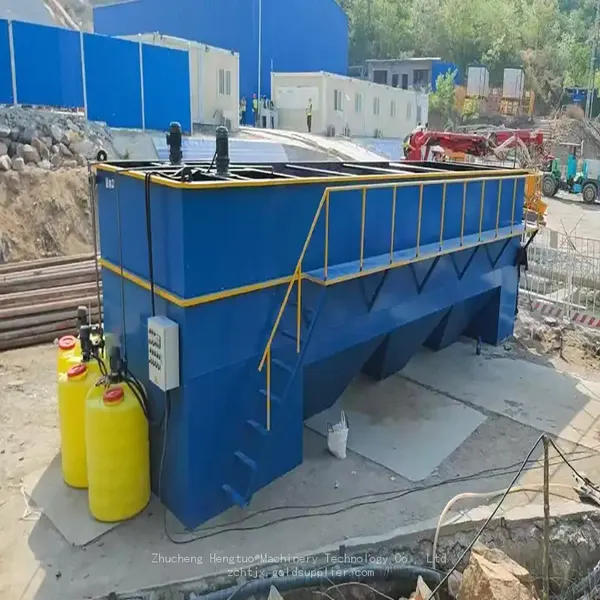
Trouble With Slaughterhouse Wastewater? Our Anti-corrosion Carbon Steel Integrated Equipment Ensures Stable Class A Effluent!US$ 2850 - 3900MOQ: 1 Combo
-
Dedicated to Rural Sewage Treatment: Underground MBR Integrated System, Fully Automatic and Maintenance-free.US$ 2850 - 3900MOQ: 1 Combo
-
Prefabricated Integrated Sewage Treatment Equipment Skid-mounted With PLC Control SystemUS$ 5500 - 6500MOQ: 1 Combo
-
High COD (30,000 Mg/L) in Soybean Whey? Customized Anaerobic + Aerobic Process Reduces Operating Costs by 15%US$ 2004 - 3048MOQ: 1 Combo
-
Capable of Treating 50 Tons/day of Meat Processing Wastewater, With a Grease Removal Rate of ≥95%, Ensuring Effluent Meets Tier 1 Discharge StandardsUS$ 2010 - 3500MOQ: 1 Combo
-
Commercial Ventless Automatic Potato Chip Fryer With Built-in Purification System - No Hood Required for RestaurantsNegotiableMOQ: 1 Piece
-
Fully Automatic Continuous Potato Chip Frying Production Line With Oil Filtration System for Industrial Snack Food ProcessingNegotiableMOQ: 1 Piece
-
Automatic Dissolved Air Flotation Machine Stainless Steel Low Energy Consumption for Municipal SewageUS$ 2010 - 3500MOQ: 1 Combo
-
Factory Direct Price DAF Equipment for Industrial Water Recycling and Cost Saving.US$ 2026 - 3500MOQ: 1 Combo
-
Turn Waste Into Resources! Complete Sludge Treatment Line Ready for Incineration or Composting.US$ 3024 - 4020MOQ: 1 Combo
-
Turnkey Halal Slaughterhouse Wastewater Treatment Plant With DAF & Biological System for Meat ProcessingUS$ 2004 - 3048MOQ: 1 Combo